Buying a cello: what to listen for
Here is what Wynand listens for. Pay attention to the same things.
Sound first
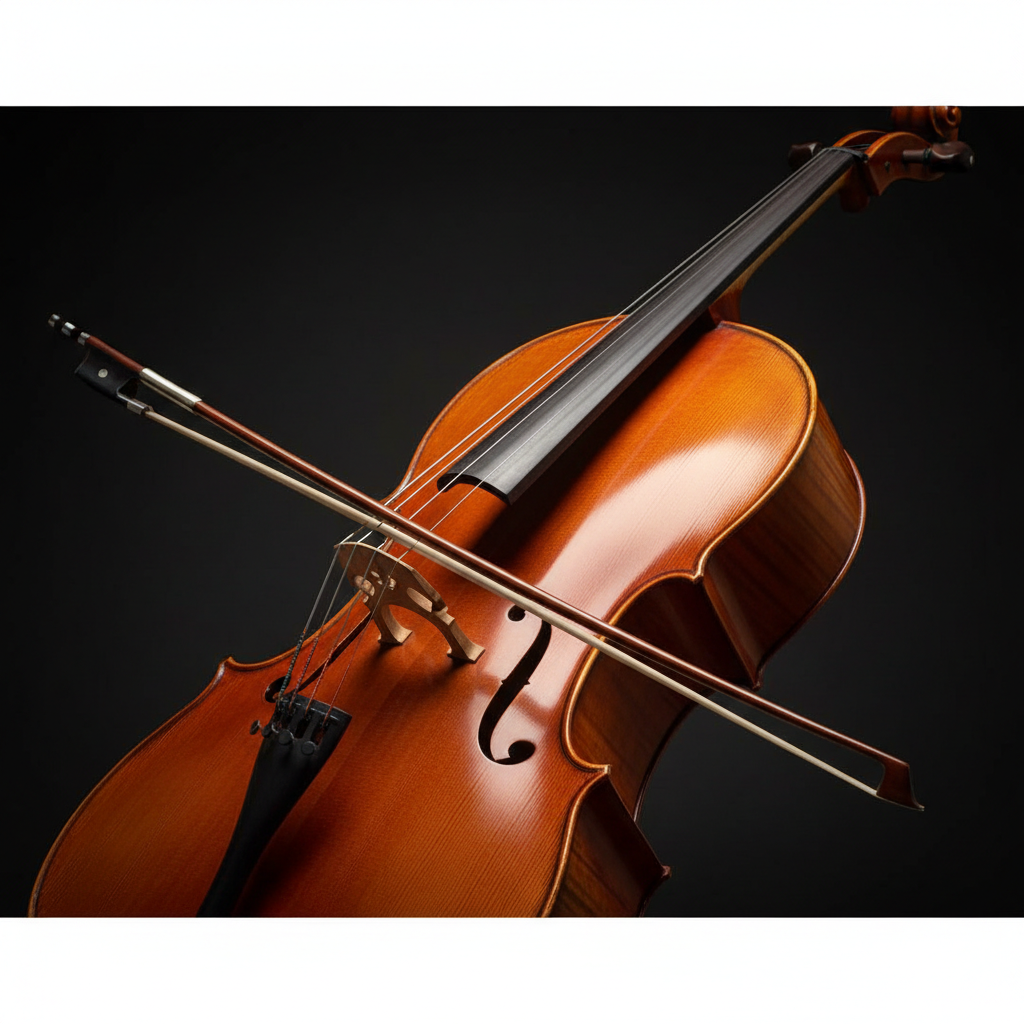
A good cello responds. Draw the bow across the A string in the upper positions. The sound should open, not pinch or close in. All four strings need to be even: the C dark and present, the G warm, the D solid in the middle register, the A clear without edge. Can it fill a room without effort? That is the difference between a playing instrument and a student one.
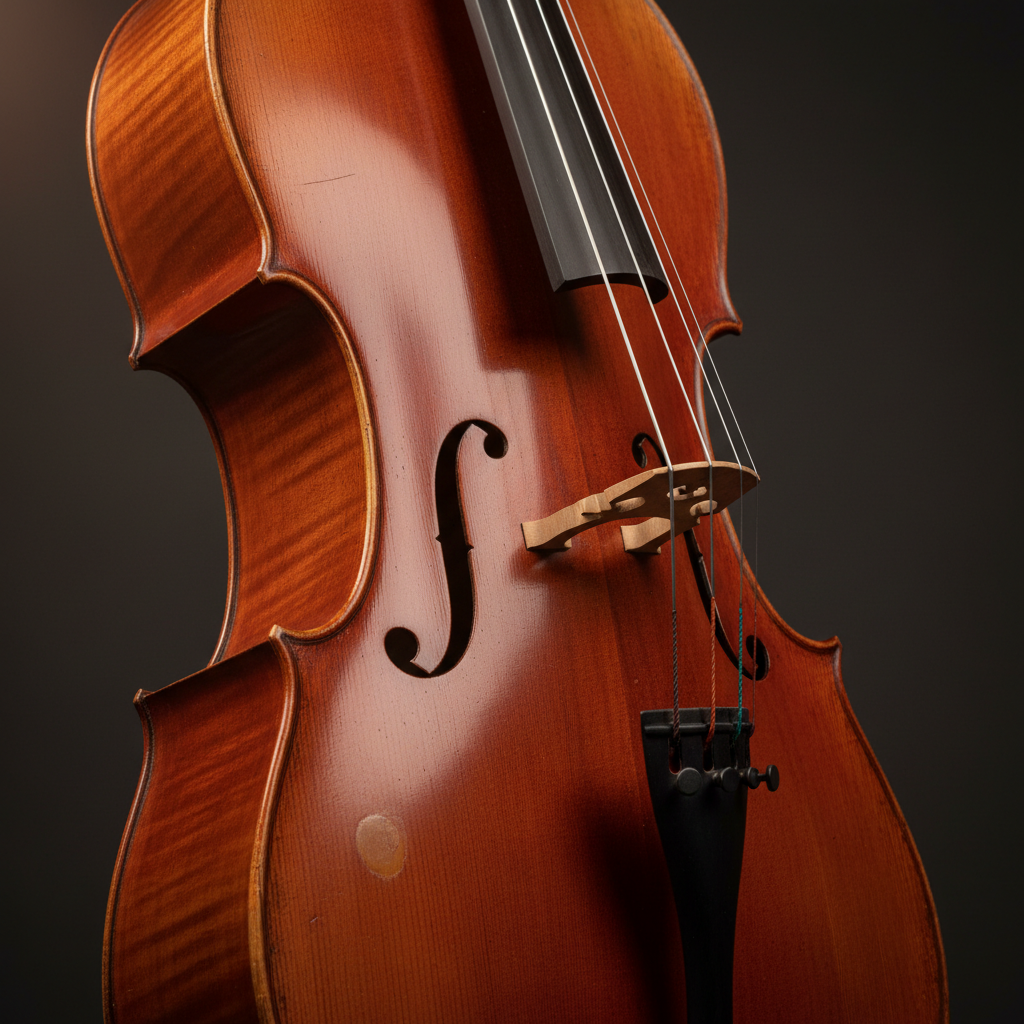
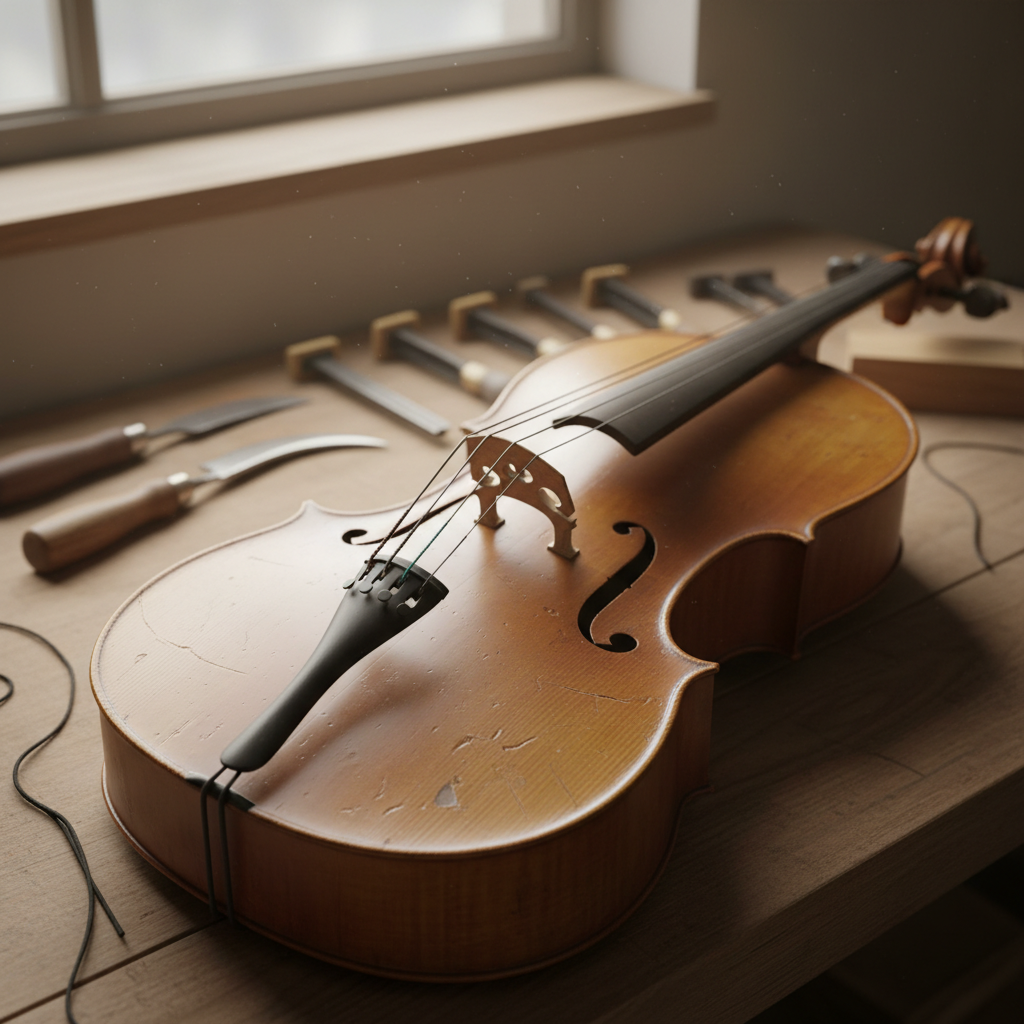
Condition grading
Wynand grades every instrument before listing it. Here is what each grade means in practice:
Age and provenance
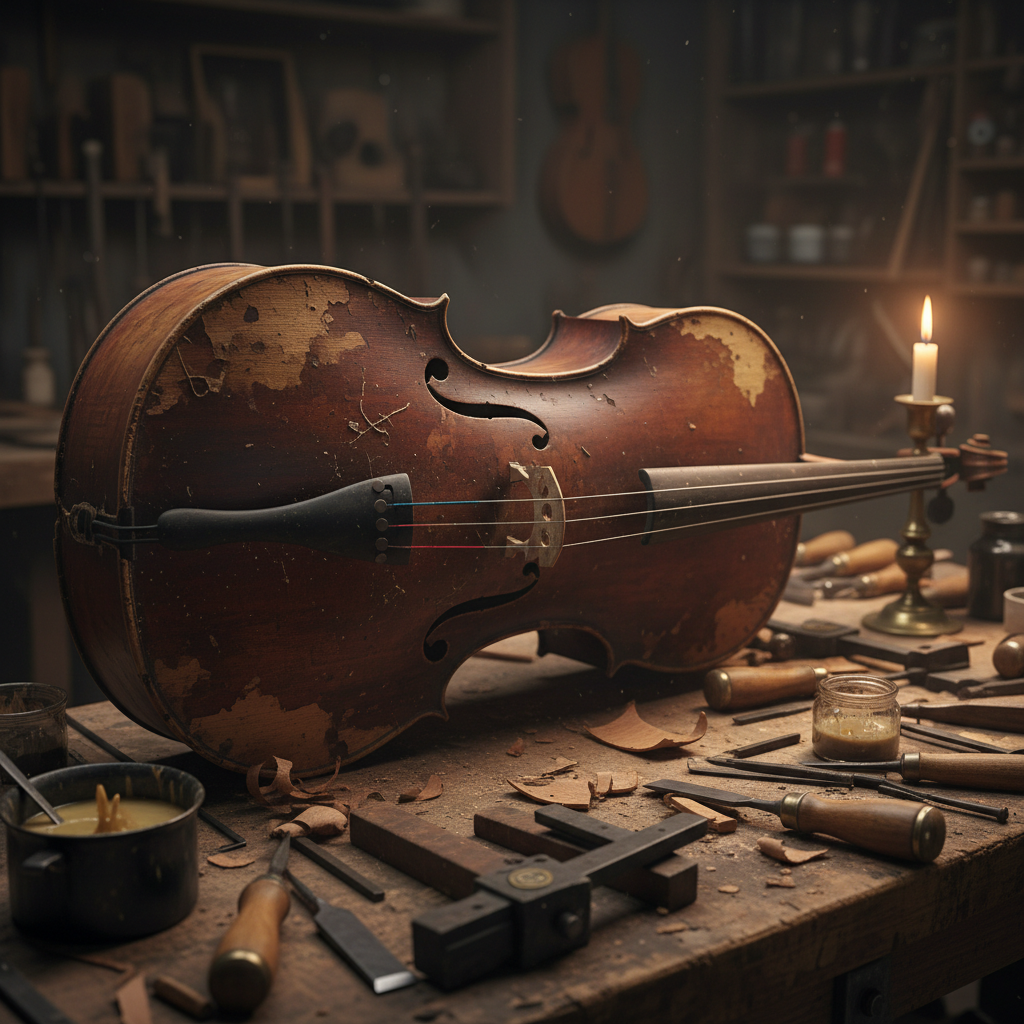
An old instrument is not automatically a good one. But a well-cared-for cello has had decades for the wood to settle and open up. That matters to the sound. Look for documentation: a certificate of authenticity, an old bill of sale, repair records from a known luthier. It will not guarantee quality, but it tells you where the instrument has been.
What to expect from Wynand
Every cello gets a written description. If there is a crack repaired in 1962, it is in there. If it needs a fresh soundpost setting, that is noted too. Wynand will play any instrument on video before you make the journey. Pricing is straightforward. No euphemisms.